Dr Michelle Newman, our senior research manager, attended a launch event for a new report on accessible transport in London. She led our research into neurodiversity and public transport in 2025, so was keen to see how our transport providers in our capital city plan to make travel more inclusive for neurodivergent people.
If transport isn’t accessible, everything else is limited.
Last week, I headed over to City Hall, the home of the Greater London Authority, for the launch of a new report on accessibility and inclusion across London’s transport network. The report shares the real-world challenges faced by disabled and neurodivergent people when trying to use public transport in the capital. It also examines how this aligns with Transport for London’s (TfL) Equity in Motion plan. The report sets out ten clear recommendations for TfL on how it can build upon its current work to deliver a truly inclusive transport service.
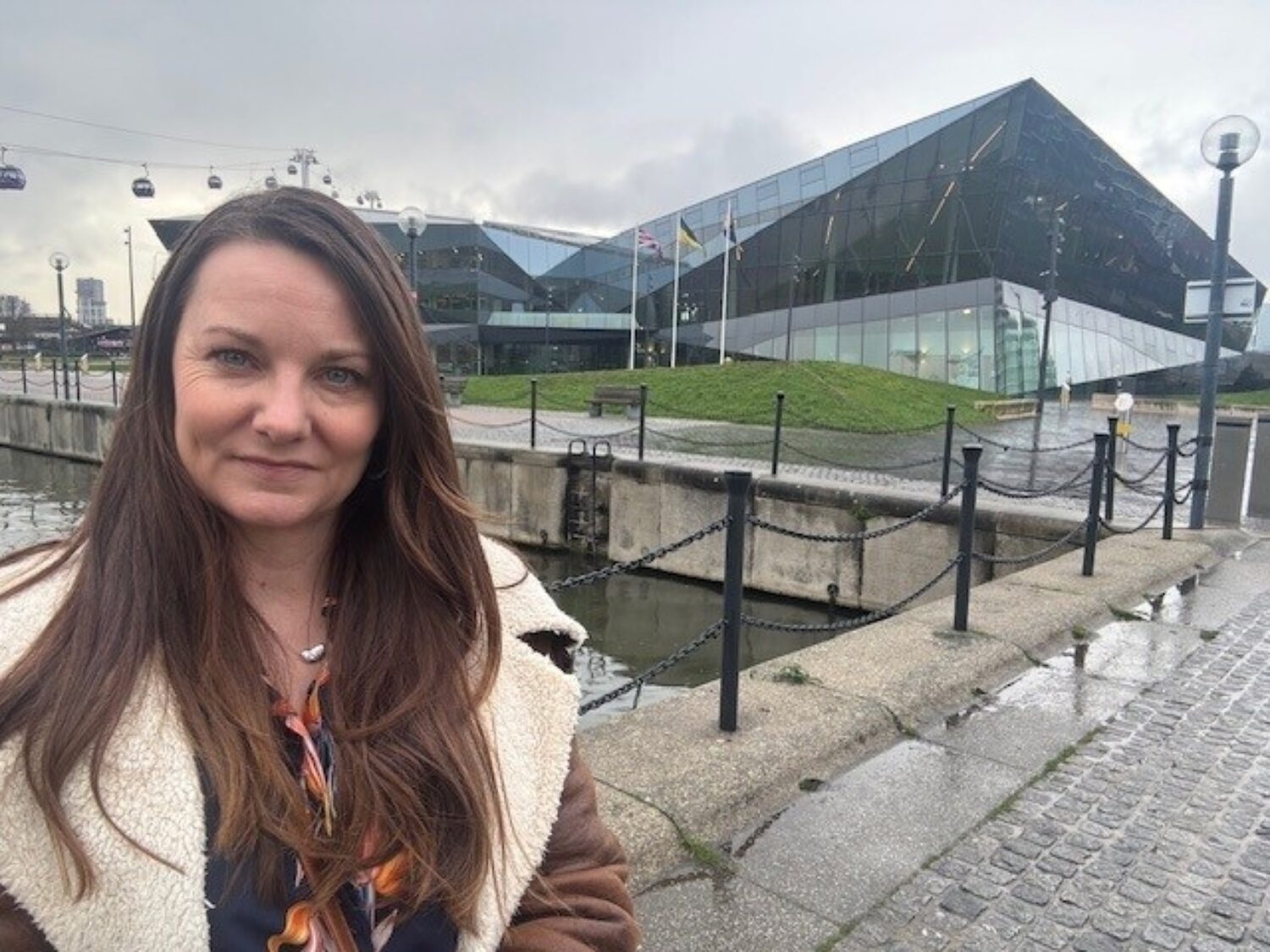
Michelle outside City Hall
Why accessible transport matters
To put this into perspective: one in seven people are neurodivergent. In London, that’s around 1.3 million people.
Neurodivergent adults are less likely to regularly drive a private vehicle compared to neurotypical adults. That means public transport isn’t just a convenience. It’s a lifeline. Without accessible transport, many people miss out on essential health appointments, education, or jobs.
For some, the barriers are so significant that public transport becomes unusable altogether, drastically limiting their independence. And even when people must use it, the lack of accessibility can leave them exhausted before they’ve arrived at their destination.
Both the Assembly’s report and our own research highlight a sobering truth: many disabled and neurodivergent Londoners only use public transport for essential journeys. Yet everyone should be able to access social and recreational activities, as they are crucial for reducing isolation and supporting mental wellbeing.
What the report reveals
Disabled and neurodivergent community members who contributed to accessibility and inclusion in transport planning raised several concerns about inaccessible travel. These included themes such as: consistency of services, design and information, personal safety, staff availability, knowledge, and attitudes. The new report echoes many of the themes we identified in our own report on the subject.
A standout message from the Assembly’s report is the importance of codevelopment, making sure transport providers create changes in collaboration with disabled people. The report included recommendations that co-development must happen earlier. Ideally, at the discovery and planning stages, avoiding token involvement when planning is too advanced to make meaningful change. This aligns strongly with our recommendation that transport operators and policy makers must collaborate with the communities they aim to serve. The report also stresses that community representation needs to be truly diverse, including all marginalised groups. We agree with this wholeheartedly.
Despite including neurodivergent people in the definition of disability, I noticed there weren’t many visible contributions from neurodivergent people in the report. I know that organisations like Inclusion London and Transport for All advocate for neurodivergent users, but visibility matters. It builds trust and demonstrates genuine inclusion.
Inside the launch event
Elly Baker, assembly member and chair of the transport committee, opened the event. She summarised the report’s actionable recommendations. Representatives from Inclusion London, Age UK London, and the Women’s Budget Group joined her, each emphasising that improving accessibility for their communities ultimately benefits everyone.
At the end of the session, the speakers encouraged the attendees to network. I spoke with assembly members Caroline Russell and Elly Baker about our concerns regarding the visibility of neurodivergent voices and how we can support this in future work.

Michelle with Elly Baker and Tom Cohen, who contributed to the report.
Where we go from here
As we push for neuroinclusive spaces in education, healthcare, and employment, we’re reminded that accessibility must start with the journey to these places. If transport isn’t accessible, everything else is limited. The good news is that since releasing our own report in May 2025, we’ve already contributed to transport accessibility work at both local and national levels, including with TfL.
We’ll continue working with the London Assembly, TfL, and national partners to ensure that public transport becomes genuinely inclusive. Not just in policy, but in practice.